
Loft Conversions

Planning a loft conversion can be one of the most transformative decisions you make for your home. It lets you create valuable living space — from a bedroom with en-suite to a quiet study or family lounge — without extending your property outwards. Most lofts are suitable for conversion, and with the right preparation and professional guidance, the process becomes clear and straightforward.

At Get Rapid Plans Ltd, we specialise in loft conversion planning drawings and building regulations drawings for homeowners, landlords, and property investors across London and the UK. Our goal is to give you clarity from the start, confidence in the design, and plans that secure approvals and get builders moving quickly.

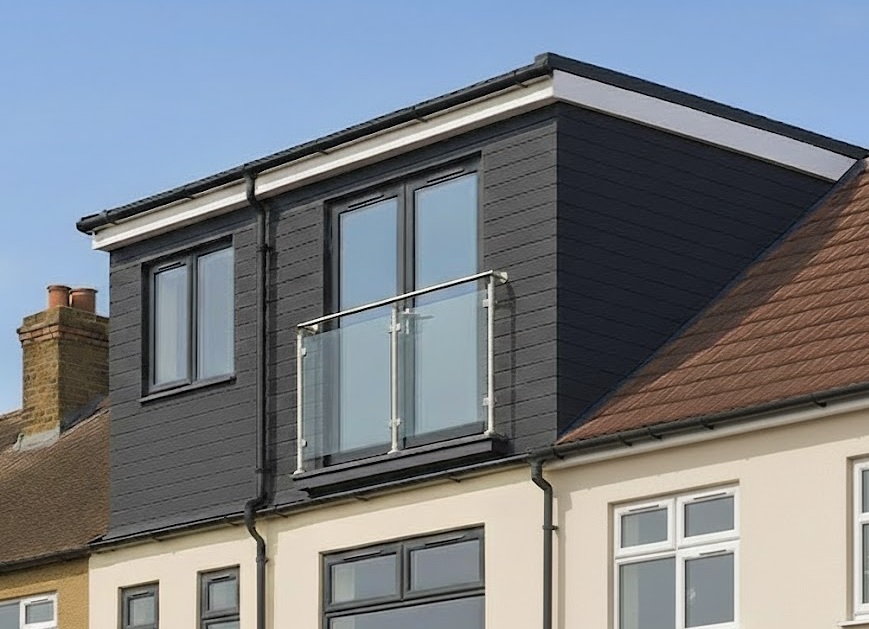
Modern loft dormer with Juliet balcony and slimline sliding door in London

What a Loft Conversion Can Do for You

Loft conversions are a practical way to:

  • Add extra bedrooms or guest suites

  • Create a dedicated workspace or home office

  • Make a luxury bathroom or family zone

  • Increase natural light and usable floor area

By making the most of the space already within your roof structure, loft conversions can substantially increase property value and living comfort — often with less disruption than traditional extensions.

Understanding Permissions – Planning vs Permitted Development

Not all loft conversions need full planning permission, but not all qualify automatically either. Most fall under Permitted Development rights, which allow certain changes without a formal planning application — but only if they meet specific limits and conditions.

We assess:

  • Whether your house qualifies for permitted development

  • Whether a Lawful Development Certificate should be applied for extra certainty

  • Local planning policy and historical context

  • Whether full planning permission is needed (e.g., conservation areas or larger dormers)

This assessment is completed as part of our free planning feasibility check, so you know what route applies to your project before spending on drawings or commitments.

Types of Loft Conversions We Design

Every property is different, so we tailor the right design solution based on your roof structure, head height, and space goals:

Rooflight conversions – ideal for adding a room without changing the roof shape, often permitted development.
Rear dormer loft conversions – increase headroom and usable floor area.
Side dormer loft conversions – great for semi-detached and end-terrace homes.
Hip-to-gabled conversions – excellent for hipped roofs.
Mansard and bespoke designs – maximise space in larger projects.

We work with you to explore which option suits your lifestyle, budget, and structural realities.

Building Regulations Drawings – For Construction and Compliance

Even when planning permission isn’t required, Building Regulations approval always is for loft conversions. These regulations ensure your new space is safe, energy efficient, and structurally sound.

Our Building Regulations drawings include:

Structural planning considerations

Staircase design and head-height compliance

Insulation and ventilation details

Fire safety requirements

Compliance with Approved Documents

Cost-Effective Systems

Looking for More Information on Loft Conversion with Rear Dormer?

How Much Does a Loft Conversion with Rear Dormer Cost?

We Serve London & UK Homeowners

We support loft conversion projects across councils including Redbridge, Waltham Forest, Newham, Barking & Dagenham, Havering, Enfield, Barnet, Epping Forest, Thurrock, and clients nationwide. Local policy knowledge helps us design plans that are more likely to be approved and less likely to face objections.

Looking for More Information on Loft Conversion with Rear Dormer?

How Much Does a Loft Conversion with Rear Dormer Cost?

Explore Our Latest Insights & Expert Tips

10 Factors That Affect the Cost of Hiring an Architecture Firm in the UK

When planning a construction or renovation project, one of the most critical considerations is the cost of hiring an architecture firm. At Get Rapid Plans, we understand that many factors influence architectural fees. This guide will explore ten key factors that affect costs, helping you make informed decisions for your project. 1. Project Complexity The […]

What Are Building Regulations Drawings?

Building regulations drawings are essential documents required for construction projects in the UK. They ensure that a building meets structural safety, fire safety, accessibility, and energy efficiency standards set by local authorities. Whether you’re planning a home extension, loft conversion, or new build, these drawings play a crucial role in securing building control approval. Why […]

10 Ways to Check If You Need Planning Permission for Your Project

If you’re planning to extend, renovate, or build on your London property, you may need planning permission. While some minor works fall under permitted development rights, larger projects require approval from your local authority. Here are ten ways to check if you need planning permission before you start your project. 1. Check the UK Planning […]

FAQs For Loft Conversion With Rear Dormer

Do I need planning permission for a rear dormer loft conversion?

In many cases, a rear dormer loft conversion can be completed under permitted development rights, meaning you won't need planning permission if it meets certain criteria. However, if your property is listed or located in a conservation area, or if the conversion exceeds specific size limits, you will need to apply for planning permission. Always check with your local planning authority to confirm your situation.

What are the criteria for permitted development for a rear dormer?

To qualify for permitted development, a rear dormer must adhere to specific guidelines, such as not extending beyond the plane of the existing roof, maintaining a height below certain limits, and not exceeding a specified volume. Additionally, materials used should match the existing house, and the dormer should not overlook neighboring properties.

What is the Party Wall Act, and does it apply to my rear dormer conversion?

The Party Wall Act 1996 is a legal framework that requires you to inform your neighbors if your construction work might affect their property. This is particularly relevant for rear dormer conversions in terraced or semi-detached homes. If your work involves shared walls or adjacent structures, you must serve a Party Wall Notice and obtain consent from your neighbors before proceeding.